OceanByte brings commercial thinking, distinctive design and technical expertise to your next stage of growth. From our base in Cork, we help Irish and international businesses strengthen their brands, improve customer experiences and modernise operations through website design, custom software development and digital marketing.
Services list

Branding & UI/UX
OceanByte helps businesses communicate their value through clear brand positioning and considered digital design. We bring branding strategy, visual identity and UI/UX together to create experiences that reflect your expertise, earn attention and guide customers towards the next step.
- Branding Strategy
- Visual Identity
- UI/UX Design
- User Research & Prototyping
App Development
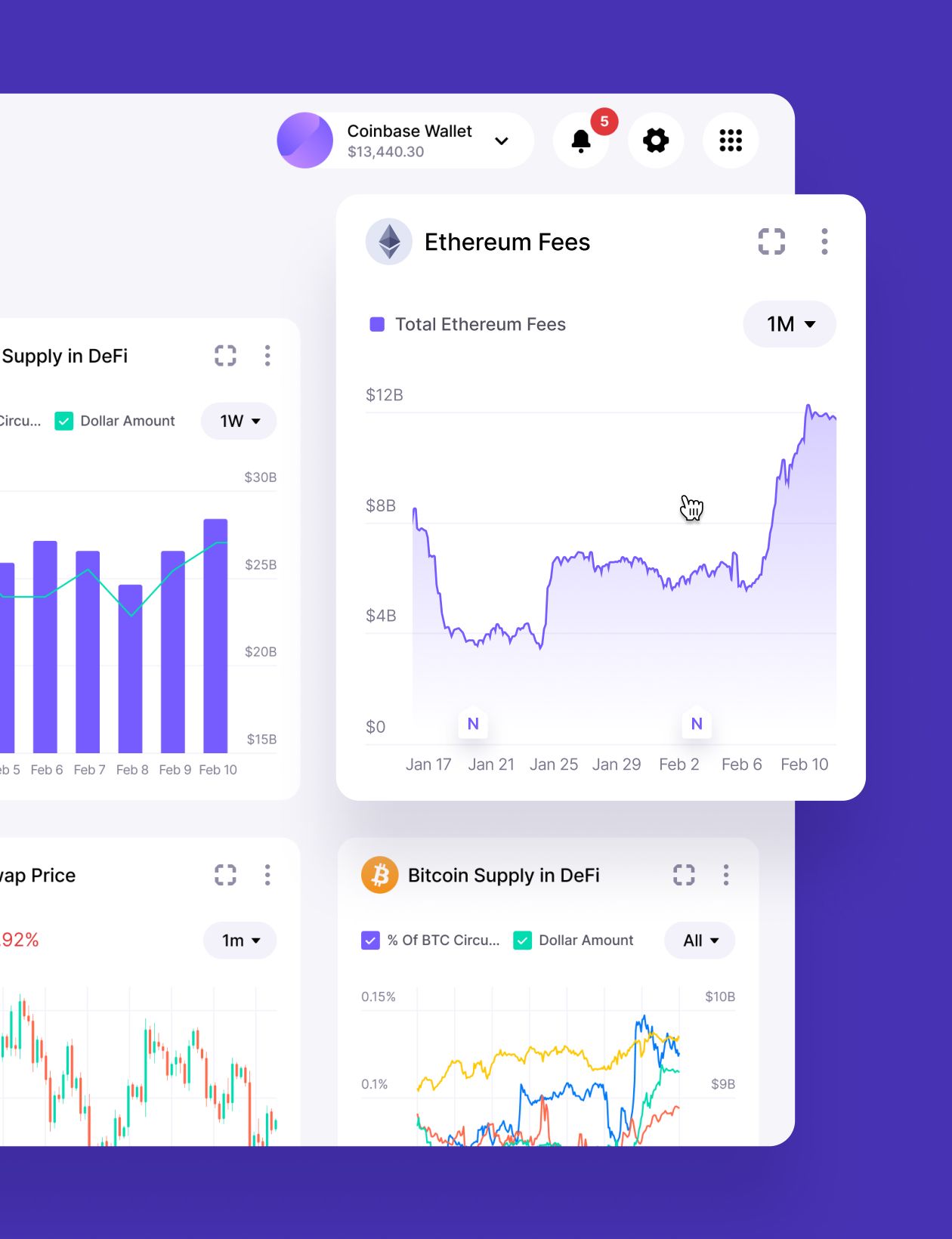
We develop software around the way your business creates value. From customer mobile apps to internal platforms, ERP systems and SaaS products, OceanByte connects product strategy with full stack development to address operational challenges and support the people who use your software.
- Mobile App Development
- Custom Web Apps
- Full Stack App Development
- ERP & SaaS

Websites
Your website should make your business easier to understand, trust and choose. OceanByte combines website design, web development and content management to create a strong commercial presence, with clear customer journeys and branded ecommerce experiences designed to support enquiries and sales.
- Website Design & Development
- Frontend Web Development
- Branded Ecommerce
- CMS Implementation

SEO & Digital Marketing
OceanByte connects search visibility with commercial relevance. Our SEO and digital marketing services bring together audience insight, technical improvements, content and campaign planning to help your business reach prospective customers and give them a compelling reason to engage.
- SEO & Search Strategy
- Technical SEO
- Content & Digital Marketing
- Analytics & Conversion Planning
Strategy & Technology
We help businesses make informed technology investments. OceanByte reviews your objectives, existing systems and delivery constraints, then translates them into a practical roadmap covering architecture, development and integration. Every recommendation is considered against business value, implementation effort and ongoing ownership.
- Technology Consulting
- Planning & Roadmapping
- Technical Audits
- AI & Technology Integration
Digital strategy, design and software development
OceanByte provides website development, custom software, ERP, SaaS, SEO and digital integration services from Cork for Irish and international businesses. Each engagement starts with your requirements, existing systems and commercial priorities. The scope defines the deliverables, technical dependencies and acceptance criteria, with regular reviews throughout implementation.
Branding & UI/UX
Branding Strategy. Brand strategy establishes the commercial position that informs your identity, website and communications. We examine customer needs, competitor positioning and your existing offer, then define the value proposition, audience priorities and messaging hierarchy. The resulting framework gives marketing, sales and product teams a consistent basis for explaining the business.
Branding & Visual Identity. A visual identity needs to work across interfaces, documents and campaigns. Our branding work covers logo systems, typography, colour, image direction and usage guidelines. We document variations, spacing and application rules so the identity remains recognisable across digital products, ecommerce and everyday business communications.
UI/UX Design. UI/UX design begins with information architecture, user roles and the tasks people need to complete. We map navigation and interaction flows, then specify responsive layouts, component states and feedback. Forms, permissions, validation and error recovery receive the same attention as the primary screens, reducing ambiguity during development.
Research, Prototyping & Usability. Interactive prototypes allow stakeholders to review workflows before implementation. We define representative tasks, examine where users hesitate and record findings against the proposed design. Usability reviews inform navigation, content and interaction changes; approved flows and acceptance criteria provide a documented reference for the development team.
Websites & Branded Ecommerce
Website Design & Web Development. Our website design and development service covers content architecture, responsive templates and the functionality your business requires. We plan navigation, enquiry routes, CMS structure and integrations together. Semantic page structure, technical SEO and performance requirements are considered during implementation, with testing against agreed browsers, devices and user journeys.
Frontend Web Development. Frontend development translates interface designs into reusable, responsive components. We specify loading, empty, error and interactive states, with attention to keyboard navigation, focus management and semantic HTML. Asset delivery, rendering behaviour and unnecessary client-side code are reviewed to support loading performance and maintainability.
Branded Ecommerce. Branded ecommerce requires a consistent experience from product discovery through checkout. We plan catalogue taxonomy, filtering, product variants, pricing presentation and account journeys, alongside payment and order integrations. Inventory synchronisation, failed transactions and fulfilment updates are included in the requirements where relevant to the operation.
CMS Implementation. CMS implementation defines how content is structured, approved and published. We configure content types, reusable page modules, editorial roles and preview workflows around your publishing process. Migration planning includes field mapping, redirects and content validation, while handover documentation explains routine updates and the boundaries of editorial control.
Custom App Development
Mobile App Development. Mobile app development starts with platform requirements, user journeys and device capabilities. We assess native and cross-platform approaches against functionality, maintenance and budget, then define authentication, data synchronisation and API dependencies. Testing covers supported devices and operating systems, with store submission requirements addressed in the release plan.
Custom App Development. Custom application development addresses business processes that standard software cannot adequately support. We document workflows, user permissions, data requirements and exceptions before defining the implementation. Operational tools, customer platforms and internal applications are developed against agreed acceptance criteria, with responsibilities for deployment, support and future changes established during planning.
Custom Web App Development. Custom web applications provide browser-based access to business workflows and data. We design customer portals, dashboards and operational interfaces around user roles, then implement the supporting application logic and integrations. Session handling, validation, access control and error states are specified alongside the main functionality.
Full Stack App Development. Full stack development covers the interface, application services, database and deployment configuration. We define the contracts between these layers so data handling, validation and permissions remain consistent. Version control, environment configuration and tests for critical workflows support controlled releases and make subsequent development easier to manage.
ERP & SaaS Platforms
ERP Development & Integration. ERP development and integration begins with process mapping and ownership of operational data. We define how inventory, purchasing, customer records and reporting should connect, then specify data mappings, validation rules and approval workflows. Migration and integration plans address reconciliation, exceptions and the operational impact of introducing the system.
SaaS Development. SaaS development covers the product experience and the infrastructure needed to operate a subscription service. We define tenant and account structures, onboarding, billing integration and role-based access around your commercial model. Architecture planning considers customer data separation, monitoring, maintainability and how new functionality will be released.
Workflow Automation & Data Integration. Automation is specified around triggers, system responsibilities and failure conditions. We connect APIs, webhooks and scheduled processes with data validation, logging and exception handling. Where workflows involve repeated events or external dependencies, the design addresses duplicate processing, retry behaviour and the manual steps needed when automation cannot complete.
Platform Architecture & Access Control. Platform architecture defines service boundaries, data models and the permissions required by each user role. We map authentication and authorisation requirements before implementation, including administrative access and account lifecycle events. Decisions about tenancy, integration and deployment are documented against expected usage, operational constraints and maintenance responsibilities.
SEO & Digital Marketing
SEO Strategy & Keyword Research. SEO strategy connects search demand with your services, products and customer decision process. We review relevant queries, search intent, existing content and competing results, then map priority topics to specific pages. The output is a practical content and optimisation plan with defined objectives, implementation priorities and measurement requirements.
Technical SEO. Technical SEO examines how search engines discover, render and index your pages. Reviews cover crawl paths, status codes, redirects, canonical tags, sitemaps, structured data and duplicate content, together with mobile rendering and page performance. Findings are prioritised by impact and implementation effort, with validation after changes are released.
Content Strategy & On-Page SEO. Content strategy defines what each page must communicate and which search intent it should serve. We structure service pages, product information and supporting articles around customer questions, subject expertise and conversion paths. On-page work includes titles, descriptions, headings and internal links, with editorial guidance to maintain consistency as the site grows.
Digital Marketing. Digital marketing planning connects audience segments, campaign objectives and landing-page content. We define the proposition, channel requirements and enquiry or purchase journey before setting measurement priorities. Campaign briefs specify messaging, creative formats and destination pages, allowing activity to be reviewed against qualified enquiries, sales or other agreed business outcomes.
Measurement & Conversion Improvement. Conversion measurement requires a clear event model and reliable data collection. We define key actions, funnel stages and reporting requirements, then review implementation and data quality. Analysis focuses on where users leave important journeys and which changes merit testing, with results interpreted against traffic quality, sample size and business context.
Strategy & Technology Consulting
Technology Consulting. Technology consulting provides a documented assessment of implementation options. We review requirements, existing systems and operational constraints, then compare platforms against integration capability, ownership cost, maintainability and supplier dependencies. Recommendations explain trade-offs, migration implications and the resources required to deliver and operate the proposed solution.
Digital Transformation. Digital transformation starts with understanding how work moves through the organisation. We map processes, systems and manual handoffs, identify duplicated data and establish improvement priorities. The resulting programme connects software, integration and process changes, with phased implementation, stakeholder responsibilities and adoption requirements defined before delivery.
Planning & Roadmapping. Project planning translates requirements into scope, dependencies and a delivery sequence. We establish milestones, acceptance criteria, decision points and the information required from each stakeholder. Roadmaps distinguish initial release requirements from later improvements, while regular reviews track progress and make the effect of scope changes explicit.
Architecture Planning. Architecture planning specifies how applications, data stores, infrastructure and external services interact. We document integration contracts, deployment environments and requirements for availability, performance and access control. Design decisions include operational considerations such as monitoring, backup and recovery, with complexity assessed against the scale and needs of the business.
Technical Audits. Technical audits establish the condition of an existing website or application. Depending on the agreed scope, we review code structure, dependencies, performance, accessibility, configuration and integration behaviour. Findings include supporting evidence, business implications and recommended actions, giving your team a prioritised remediation plan rather than an undifferentiated issue list.
AI & Technology Integration
Backend Development & API Integration. Backend development implements the business rules and services behind your application. API integration work specifies authentication, request and response schemas, validation and error handling. We consider rate limits, timeouts, versioning and event delivery where applicable, with logging and monitoring requirements that make integration failures easier to diagnose.
AI Integration. AI integration begins with a defined use case, suitable data and measurable acceptance criteria. For applications such as document processing, assisted search and workflow support, we evaluate model behaviour against representative examples. Implementation addresses access controls, output validation, cost and latency, with human review and fallback paths appropriate to the task.
Technology Integration. Technology integration connects CMS, ecommerce, CRM, ERP and other business platforms through defined interfaces. We establish the system of record for each data type, map fields and specify synchronisation rules. The implementation plan covers reconciliation, duplicate records, service interruptions and ownership of ongoing integration maintenance.
Implementation & Release Planning. Release planning coordinates environment configuration, data migration, testing and deployment. We define release responsibilities, acceptance checks and rollback steps before introducing changes to a live system. Handover covers access, operational documentation and known limitations, with post-release checks and any ongoing support agreed as part of the scope.